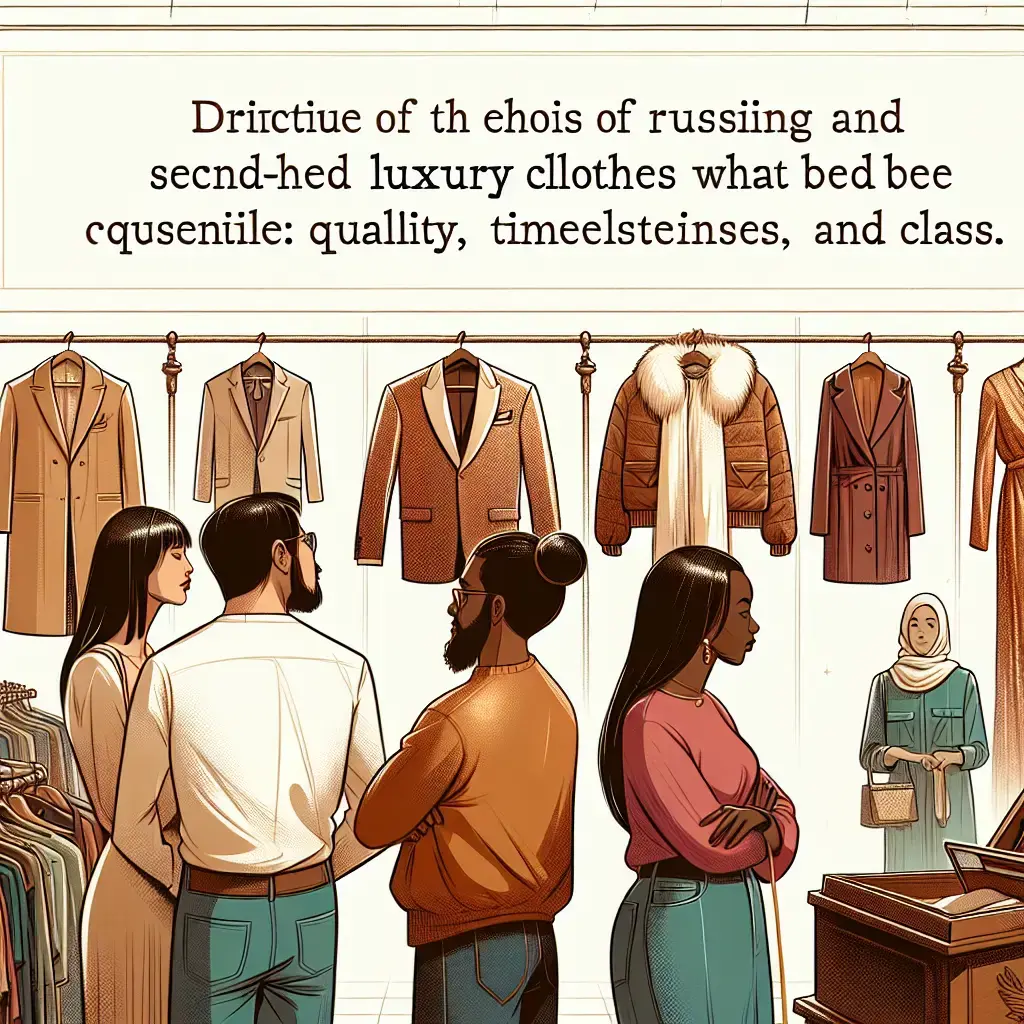
In recent years, the fashion industry has experienced a transformative shift towards sustainable style, driven by the increasing demand for eco-friendly fashion. At the forefront of this movement is the rise of second-hand luxury fashion, where pre-owned designer clothing and accessories find new life in the wardrobes of eco-conscious fashion consumers. This evolution is not merely a fleeting trend but a fundamental change reshaping the luxury resale market and promoting sustainable wardrobe choices.
Luxury Fatigue: Seeking Authenticity and Individuality
As consumers become more environmentally aware, the allure of vintage luxury fashion and high-end thrift shopping grows, blending style with sustainability. Recent trends suggest a growing sense of "luxury fatigue" among consumers. The market's saturation with logo products and repetitive social media marketing has diminished the allure of homogeneous luxury. Instead, unique, vintage luxury pieces are becoming more appealing. This shift towards individuality is fueling the demand for second-hand designer accessories, allowing consumers to express personal style through ethical means.
The luxury fatigue phenomenon points to a broader cultural shift towards valuing authenticity and sustainability over traditional markers of wealth. This change encourages exploration of eco-friendly fashion alternatives that offer both style and substance without the environmental impact of new production.
The Circular Fashion Economy: Reuse and Recycling
Integral to the rise of second-hand luxury fashion is the circular fashion economy, which emphasizes reuse and recycling. This system allows pre-owned designer clothing to find new life in the wardrobes of environmentally-aware consumers. Companies like ThredUp lead this movement, utilizing AI-powered shopping tools to enhance consumer experience by streamlining selection processes, as detailed in a Forbes article on ThredUp's use of AI in fashion resale. This approach supports sustainable fashion trends while fostering business growth.
Luxury Consignment: Thriving in a Green Fashion Movement
Luxury consignment stores are experiencing unprecedented success as they cater to a new generation of high-end thrift shopping enthusiasts. These platforms facilitate sustainable wardrobe choices and allow consumers to partake in the green fashion movement by purchasing second-hand luxury items that boast exclusivity and sustainability.
A standout example is The RealReal, a leader in authenticated luxury consignment, which has reported substantial growth in recent years. Their latest financial disclosures indicate significant increases in both sales and customer base, largely attributed to the growing preference for eco-friendly fashion solutions.
Danish Influence: Pioneering Sustainable Style
Danish clothing brands have been spotlighted during Copenhagen Fashion Week for their role in pioneering sustainable style. As reported by Highsnobiety, these brands blend modern design with traditional craftsmanship, embodying sustainable fashion trends that appeal to global audiences. By focusing on quality and longevity, Danish designers significantly contribute to the popularity of pre-owned designer clothing and second-hand luxury fashion.
The Story Behind Every Piece: A Narrative of Individuality
The appeal of vintage luxury fashion lies not only in its sustainability but also in the narrative each piece carries. Unlike mass-produced items, second-hand designer accessories often have unique stories to tell. These garments provide a sense of individuality and connection to history, allowing wearers to stand out in a sea of sameness.
The concept of storytelling through fashion is eloquently captured by brands such as Dolce & Gabbana, whose Alta Moda Show draws inspiration from Sardinian heritage. Such shows celebrate tradition and craftsmanship, reinforcing the idea that fashion can be both beautiful and meaningful.
Future Outlook: Blending Innovation with Tradition
Looking forward, the continued growth of second-hand luxury fashion seems inevitable as more consumers embrace sustainability. The demand for ethically produced items that do not compromise on quality or style is expected to increase. This trend mirrors other industries, such as the luxury automotive sector, where innovation is combined with traditional craftsmanship, as seen in the Mercedes-Maybach SL 680 Monogram Series.
The challenge remains: How can the fashion industry sustain this momentum? One approach could be through enhancing consumer experiences with technology. For example, AI tools, like those used by ThredUp, could further refine the shopping process, making it easier for consumers to find pieces that align with their values.
Conclusion: Embracing a New Fashion Paradigm
The rise of second-hand luxury fashion marks a transformative moment in the fashion industry, driven by consumers who are increasingly prioritizing sustainability and individuality over traditional luxury norms. This shift is evident in several key areas:
- Luxury Fatigue: Consumers are moving away from mass-produced luxury items towards unique, vintage pieces that offer both authenticity and sustainability.
- Circular Fashion Economy: Platforms like ThredUp are pioneering the reuse and recycling of pre-owned designer clothing, using technology to enhance consumer experiences.
- Luxury Consignment Success: Businesses such as The RealReal are thriving by catering to eco-conscious shoppers who seek exclusive yet environmentally friendly wardrobe options.
- Danish Influence: Danish brands are leading the charge in sustainable fashion, combining modern design with traditional craftsmanship to appeal to a global audience.
- Storytelling Through Fashion: Vintage luxury pieces offer a narrative, connecting wearers to history and setting them apart in a homogenized market.
As we move forward, the integration of innovation with tradition will likely continue to propel the growth of this sustainable fashion movement. Embracing second-hand luxury fashion offers not only an ethical choice but also a chance for self-expression and creativity.
Reflect on your own fashion journey—are you experiencing luxury fatigue? Share your thoughts and insights on how vintage fashion has influenced your style. Let's continue the conversation and explore how we can collectively contribute to a more sustainable future in fashion.
With elegance and responsibility,
Julia Bennett