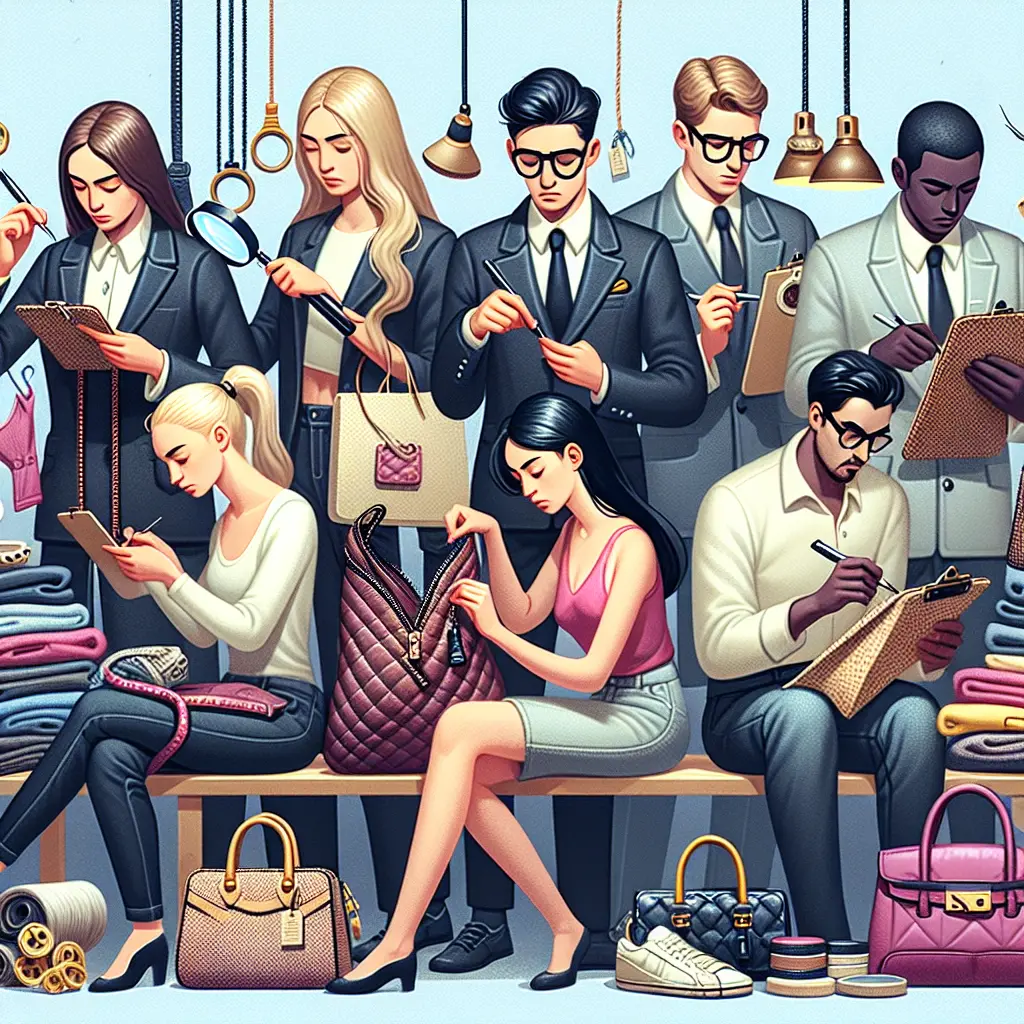
Navigating the World of Luxury Resale: A Guide to Authenticating Pre-Loved Designer Pieces
In today's ever-evolving fashion landscape, the allure of pre-loved designer pieces has captivated both seasoned collectors and fashion enthusiasts alike. As the market for second-hand designer items continues to flourish, ensuring their authenticity has become more crucial than ever. Whether you're eyeing a genuine designer handbag, investing in authentic designer clothing, or hunting for vintage designer accessories, mastering the art of luxury resale authentication is key to making informed purchases.
The Importance of Authenticating Designer Pieces
The excitement of owning pre-owned luxury goods is often tempered by the risk of encountering counterfeit designer pieces. Spotting fake designer items can be challenging, but with the right tools and knowledge, you can confidently navigate this vibrant marketplace. From verifying the authenticity of used designer bags to recognizing fake luxury items, knowing how to verify designer authenticity can save you from costly mistakes and enhance your collection.
The Rise of Online Marketplaces and Authentication Guides
With the rise of online marketplaces and resale platforms, the need for an effective second-hand designer authenticity guide has never been more pressing. Whether you're a buyer or a seller, understanding the pre-loved designer goods authentication process is essential to ensure the integrity of your transactions. Authentic designer shoes verification, for example, requires a keen eye for detail and familiarity with the nuances of high-end craftsmanship.
Practical Tips for Authenticating Designer Items
In this guide, we'll delve into practical tips and strategies for authenticating second-hand designer items, providing you with the knowledge needed to make discerning choices. From identifying counterfeit designer pieces to mastering the art of genuine designer handbag authentication, you'll gain insights into recognizing true luxury from imposters.
Why Authenticating Designer Pieces is Crucial
In recent years, the surge in luxury resale markets has paralleled shifting fashion trends. For instance, as corporate cosplay gains momentum, sidelining traditional streetwear brands, there is a heightened interest in unique and genuine pieces. This means that both fashion enthusiasts and investors must possess the skills to verify designer authenticity, ensuring their collections are genuine and valuable.
Key Steps in Genuine Designer Handbag Authentication
Owning an authentic designer handbag is a coveted dream. However, spotting fake designer items requires a keen eye for detail. Here’s how you can approach this:
Examine the Craftsmanship: Authentic handbags from brands like Prada or Gucci exhibit meticulous craftsmanship. Look for even stitching, high-quality materials, and brand-specific details.
Check Serial Numbers and Logos: Most genuine designer bags feature serial numbers that you can verify with the manufacturer. Counterfeit items often have discrepancies in logo placement and font.
Authenticate Through Reputable Platforms: Platforms like The RealReal provide authentication services that help in verifying the authenticity of used designer bags, leveraging expert knowledge to ensure you get what you pay for.
The Rise of Pre-Owned Luxury Goods Verification in Footwear
The footwear industry has seen innovative changes, as highlighted by Spanx's new Sneex line. With such advancements, verifying authenticity in luxury shoes has become an art:
Inspect the Construction: Authentic designer shoes often incorporate unique features like the Sneex’s three-inch heel, designed for comfort without sacrificing style. Look for these distinctive elements.
Assess Brand Markings: Similar to handbags, shoes should have clear brand markings. Use online resources or contact the manufacturer to cross-check these identifiers.
Utilize Online Resources: Websites like StockX specialize in sneaker verification, offering insights into authenticating vintage designer accessories like rare Nike collaborations.
Recognizing Fake Luxury Items in Apparel
Post-Olympics trends have rejuvenated interest in skate fashion, which is not exempt from counterfeit risks. Here’s how to identify authentic designer clothing:
Evaluate Fabric Quality: Genuine designer pieces use superior materials. Feel the fabric and check for consistency in quality.
Research Collection History: Familiarize yourself with past collections to understand design evolution and spot anomalies.
Use Authentication Services: Companies like Vestiaire Collective offer services that include pre-loved designer goods authentication processes tailored for apparel.
Mastering the Art of Luxury Resale Authentication
Authenticating luxury items is as much an art as it is a science. Here’s how you can master it:
Education and Training: Enroll in courses that teach the nuances of high-end craftsmanship and counterfeit detection.
Network with Experts: Attend events or join forums where professionals share authentic designer clothing tips and experiences.
Use Digital Tools: Apps equipped with AI technology can compare your items against vast databases, offering a preliminary assessment.
Conclusion: Safeguarding Your Fashion Investments
Authenticating pre-loved designer pieces is crucial to preserving the value and integrity of your fashion investments. The rise in luxury resale markets necessitates a discerning approach to distinguishing genuine articles from counterfeits. Here's a quick recap of the essential steps:
- Meticulous Examination: Always scrutinize craftsmanship, serial numbers, and brand-specific details for both handbags and footwear.
- Leverage Reputable Platforms: Utilize trusted authentication services like The RealReal and StockX to ensure the authenticity of your purchases.
- Stay Informed and Educated: Keep up with fashion trends and engage with fashion communities to enhance your authentication skills.
- Utilize Technology: Embrace AI-driven apps and digital tools to aid in preliminary assessments of authenticity.
As we embrace sustainability and vintage aesthetics, understanding these verification processes becomes not only a personal advantage but also a contribution to maintaining the integrity of the fashion industry. Remember, authenticating luxury items is an evolving art that combines expertise with intuition.
I invite you to share your experiences or tips on identifying genuine pre-loved designer pieces. Let’s continue this conversation and learn from each other’s insights. Have you ever encountered a counterfeit item? How did you handle it? Share your story in the comments below.
Together, we can cultivate a community that values authenticity and craftsmanship in fashion. Here’s to making informed and stylish choices in the vibrant world of pre-owned luxury!
Happy authenticating!
Julia Bennett